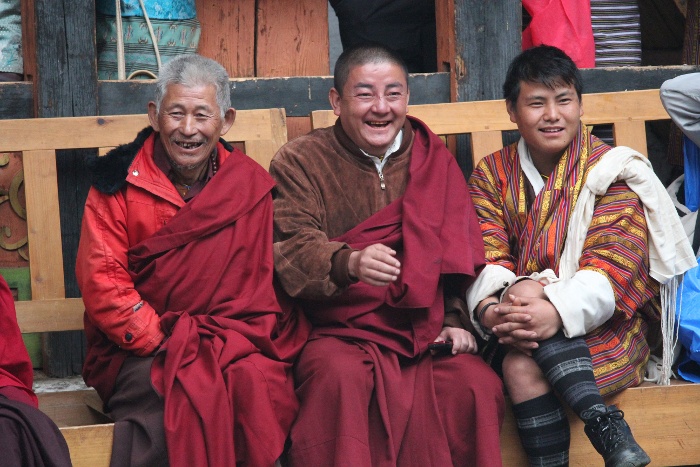
Since May 24, Bhutan’s Sustainable Development Fee (SDF) has seen a significant increase, more than tripling in value. This shift in Bhutan’s tourism policy has sparked widespread discussion, raising important questions about its purpose and the broader impact on visitors and the country’s long-term conservation goals.
The High-Value, Low-Volume Tourism Policy
In its ongoing effort to limit the downsides of mass tourism, the government of Bhutan has long embraced a careful, intentional approach that prioritizes sustainability alongside meaningful travel experiences—centered on authenticity, cultural immersion, and deeper understanding. This philosophy gave rise to the “high-value, low-volume” tourism model, designed to safeguard Bhutan’s vibrant living culture while positioning the country as a distinctive, premium destination.
Following the global disruption caused by COVID-19, Bhutan—like many nations—has been reassessing and adjusting its Sustainable Development Fee policies as part of a broader recovery and reform process.
Today, the country is actively working to reinvigorate its tourism sector. The long-term vision focuses on building a competitive, innovative, and professional industry that can also generate well-paying employment opportunities for skilled Bhutanese citizens.
The Previous Sustainable Development Fee of Bhutan
In the earlier system, visitors were required to pay a Minimum Daily Package Rate (MDPR) ranging from USD 200 to USD 290 per person per day, depending on group size and seasonal timing. Luxury accommodations and premium experiences were subject to higher rates. From this amount, USD 65 was allocated specifically to the Sustainable Development Fee, while the remaining funds covered essentials such as lodging, meals, and transportation.
Why Raise the SDF Now?
According to Prime Minister Dr. Lotay Tshering, one of the main motivations behind the revised SDF is the reinvestment of tourism revenue into the local economy, with a focus on elevating the overall quality of the visitor experience—including guiding services, hospitality standards, food offerings, and environmental cleanliness.
With continued improvements in infrastructure and services, Bhutan is steadily shaping itself into an exclusive “high value, low volume” destination. This long-term strategy also supports reduced environmental impact by limiting over-tourism and encouraging more responsible travel practices.
What This Means for Travelers
Overall, the updated policy is expected to increase the cost of visiting Bhutan by at least 30%. At the same time, it reinforces the idea that travelers share responsibility in preserving the nation’s fragile ecosystems and cultural heritage, becoming active participants in a model of tourism built around care, balance, and long-term sustainability.
Independent travel is not permitted in Bhutan. All visitors must travel with a licensed guide and book services through government-approved operators. Sodha Travel is proud to serve as an authorized travel partner in Bhutan.